
Top 3 Contract Machine Shop Trends for 2026: The Future of Manufacturing
The manufacturing sector is evolving rapidly, forcing contract machine shops to pivot toward advanced technologies to maintain their competitive edge. This post explores the three pivotal trends—automation, digital transformation, and sustainability—that are currently redefining efficiency and precision on the shop floor.
CONTRACT MANUFACTURING
2/5/20263 min read
The Future is Now: Top 3 Trends Shaping Contract Machine Shops
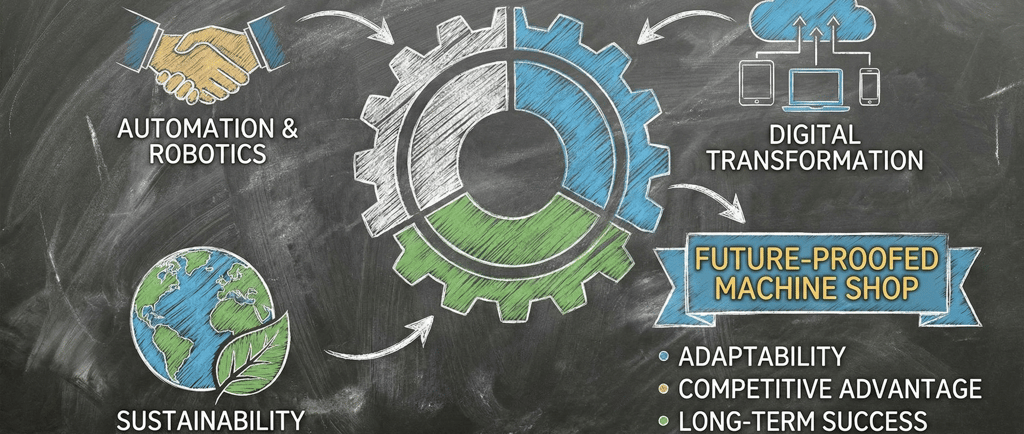
The landscape of manufacturing is undergoing a seismic shift. For contract machine shops, staying ahead of the curve is no longer just a competitive advantage—it's a prerequisite for survival. As we move through 2025 and into 2026, several key trends are emerging that promise to redefine how shops operate, compete, and deliver value. Based on recent industry analysis, three topics stand out as the most significant drivers of change: the integration of automation and robotics, the embrace of digital transformation, and a newfound commitment to sustainability.
1. The Rise of Automation and Robotics Integration
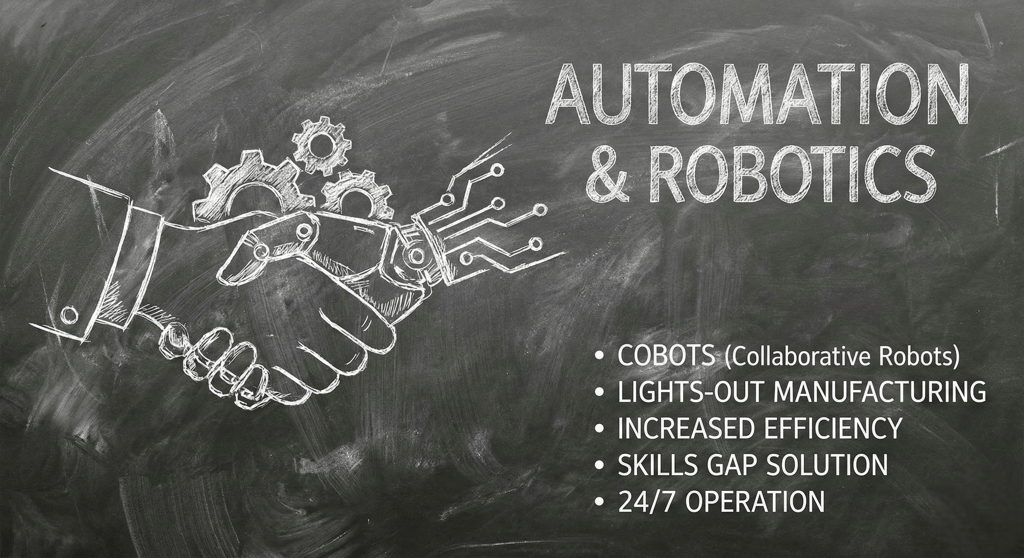
The first and perhaps most visible trend is the accelerating adoption of automation and robotics. Faced with a persistent skills gap and the need for greater efficiency, machine shops are increasingly turning to automated solutions. This goes beyond simple pick-and-place operations. We are seeing the integration of collaborative robots, or "cobots," that work safely alongside human operators, augmenting their capabilities rather than replacing them. Furthermore, the concept of "lights-out manufacturing"—where machines run unattended for long periods—is becoming more feasible for smaller shops thanks to advancements in automated material handling and machine tending systems. This trend is not just about reducing labor costs; it's about maximizing spindle uptime, improving consistency, and allowing skilled workers to focus on high-value tasks like programming and quality control.
2. Digital Transformation and Smart Manufacturing (Industry 4.0)
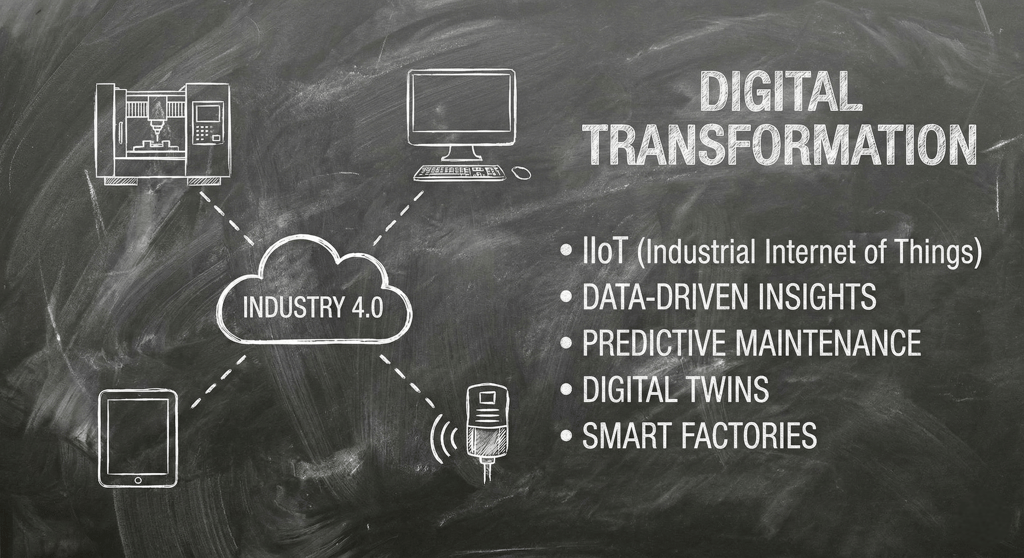
Hand-in-hand with automation is the broader trend of digital transformation, often referred to as Industry 4.0. This involves the interconnection of machines, sensors, and software to create a "smart factory" environment. The core of this trend is data. By collecting real-time data from CNC machines via the Industrial Internet of Things (IIoT), shop owners gain unprecedented visibility into their operations. This data can be used to create "digital twins"—virtual replicas of physical parts or processes—allowing for simulation and optimization before a single chip is cut. Furthermore, artificial intelligence (AI) and machine learning algorithms are being deployed to predict tool wear and machine failures before they occur, enabling a shift from reactive to predictive maintenance. This data-driven approach leads to reduced downtime, improved part quality, and more accurate job costing.
3. Sustainability and Eco-Conscious Machining
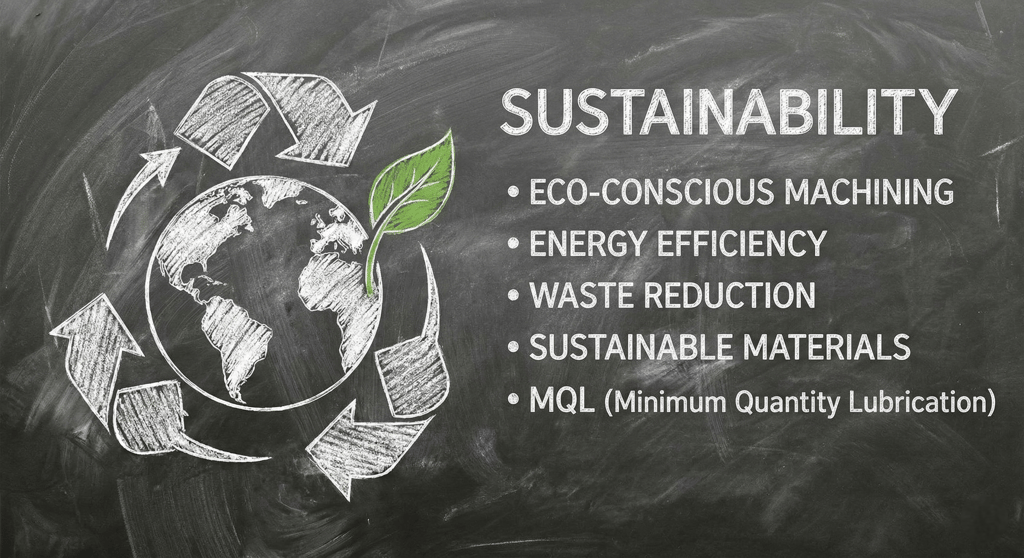
A third, increasingly critical trend is the focus on sustainability. Driven by a combination of environmental regulations, customer demand for greener supply chains, and the economic benefits of reduced waste, machine shops are adopting more eco-conscious practices. This includes investing in energy-efficient machine tools that consume less power during operation and idle times. There is also a growing movement towards Minimum Quantity Lubrication (MQL) and dry machining techniques to reduce the use and disposal of hazardous cutting fluids. Furthermore, shops are implementing robust recycling programs for scrap metal and exploring the use of more sustainable raw materials. This shift is not just about corporate social responsibility; it's becoming a key differentiator for winning contracts with forward-thinking OEMs who prioritize environmental stewardship.
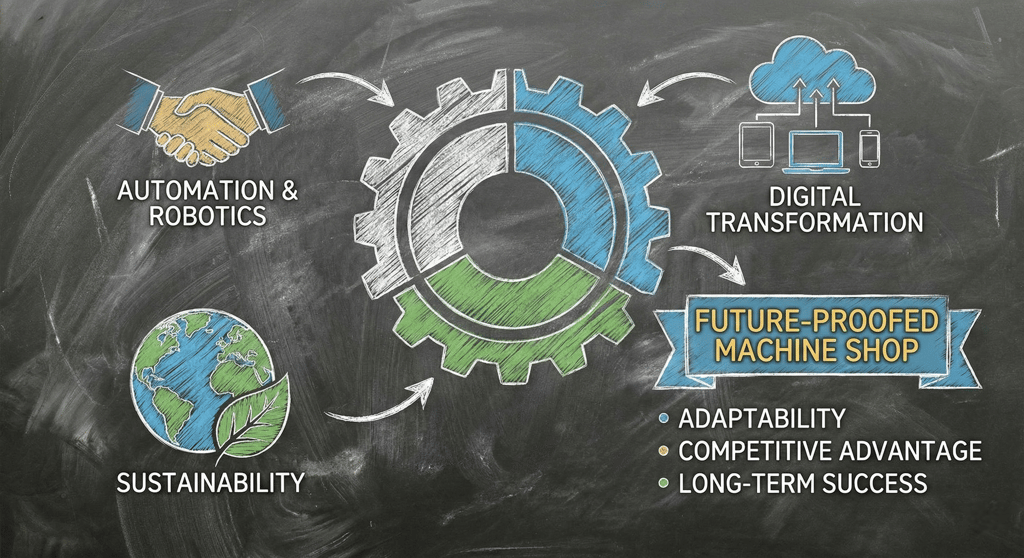
In conclusion, the contract machine shop of the future will be defined by its ability to adapt to these three powerful trends. By embracing automation to augment their workforce, leveraging data through digital transformation, and committing to sustainable practices, shops can not only navigate current challenges but also position themselves for long-term success. The convergence of these forces is creating a new era of manufacturing that is smarter, more efficient, and more environmentally responsible. Those who proactively integrate these trends into their business strategy will be the ones leading the charge in the years to come.
[1]: After a Better-Than-Usual November, 2025 Orders Beat 2024 in 11 Months
[2]: 2026 Manufacturing Industry Outlook | Deloitte Insights
[3]: Machine Shops Market Report 2025 | $44.6B Size & Trends - Kentley Insights